

Workshop Helps Young People Build Self-Reliance
The Triumph Over Trauma and Stigma Initiative, with support from Harper Hill Global, helps unemployed young people in Gombe, Nigeria.
By Irmiya Manni Jenis
March 16, 2026 | GOMBE, Nigeria
In recent years, the rising wave of youth unemployment in Gombe State has cast a long shadow over families and communities.
Beyond the visible economic hardship lies a deeper, often unspoken crisis: emotional trauma, social stigma, loss of self-worth and the silent pressure placed on young people to “figure life out” in a shrinking opportunity space. Many youths battle anxiety, depression and identity struggles, yet conversations around mental health remain limited, and stigma continues to silence honest expression.
It was against this pressing backdrop that the Triumph Over Trauma and Stigma Initiative, with support from Harper Hill Global, organized a one-day sensitization and enlightenment workshop for unemployed youths in Gombe State. The initiative was designed not merely as a lecture series, but as a safe and transformative engagement aimed at equipping young people with emotional resilience, self-awareness and practical pathways toward self-reliance.

Fifteen vibrant young participants attended the Feb. 11 workshop, held at Hajiya Amina Multipurpose Hall. The group comprised males and females, selected from diverse backgrounds and representing both Christianity and Islam. It included graduates, undergraduates and young individuals still seeking admission into tertiary institutions across Nigeria.
The atmosphere was warm and welcoming, with facilitators and support persons present to ensure a smooth and impactful session. The event was coordinated by Mr. Jenis Irmiya Manni, who provided steady guidance throughout the program.
Opening charge: A call to open minds, hearts
In her opening remarks, Mrs. Doris Adamu Jenis, the national coordinator of the Triumph Over Trauma and Stigma Initiative, warmly welcomed participants and set the tone for the day. She gave an in-depth overview of the initiative’s mission of empowering the human spirit, mind and body, and highlighted the strong support the organization receives from Harper Hill Global through the Rev. Neelley Hicks, a humanitarian and philanthropist based in the United States, whose passion for psychosocial well-being has strengthened the initiative’s outreach efforts.
Mrs. Jenis encouraged participants to approach the sessions with open minds, to contribute meaningfully, ask questions when clarification was needed, and most importantly, to “step down” the knowledge gained to their families and communities. She emphasized that transformation does not end in the hall; it begins there.
First session: Triumph Over Trauma
The first session featured Mrs. Monica Ogumah, who delivered a vivid and deeply engaging presentation titled “Triumph Over Trauma.” She carefully unpacked the concept of trauma, its root causes, emotional and psychological effects, common signs and the stigma that often surrounds victims.

Drawing from both professional insight and personal experience, Mrs. Ogumah shared some of her own past traumatic encounters and how she overcame them. Her practical examples resonated strongly with participants, helping them understand that trauma is not a life sentence, but a challenge that can be confronted and conquered with the right mindset and support system.
Participants were enlightened on coping mechanisms, emotional healing processes and the importance of seeking help rather than suffering in silence.
A brief lunch break and photograph session followed, allowing participants to interact informally and reflect on the lessons shared.
Second session: Unemployment’s effects

The second resource person, Mrs. Vasty B. Ayuba, delivered an in-depth presentation on “Unemployment and Its Effects on the Individual, Family and Community.” She simplified complex socio-economic concepts and broke them down in ways the participants could easily understand and relate to.
She examined how unemployment affects an individual’s self-esteem, mental health and decision-making, and how it often creates tension within immediate and extended families. She further explained how widespread unemployment contributes to community instability, social vices and heightened stigma.
Importantly, she connected unemployment to trauma, showing how economic hardship can trigger psychological wounds and social labeling. However, her message was not one of despair. She proffered practical solutions, encouraging youths to develop skills, harness their talents to full potential, and pursue self-reliance and sustainability through entrepreneurship and vocational development.
Her emphasis on skill acquisition and resilience sparked hope and renewed determination among participants.
Creating safe space for dialogue
While coordinating the meeting, Mr. Manni consistently reminded participants that the workshop was a safe space, a place to share their truths and stories without fear of judgment. He stressed the importance of emotional and psychological intelligence, urging participants to apply these principles in their daily lives and interactions.
He further emphasized that growth begins with self-awareness and that healing requires both courage and compassion.
In the interactive session that followed, participants asked thoughtful questions, shared personal experiences and made valuable suggestions, such as involving parents and community leaders in future trainings to foster a more supportive environment for young people.
Several participants passionately appealed to parents to “loosen up” and replace harsh criticism with encouragement. They noted that excessive pressure and unrealistic expectations often push youths into depression and emotional withdrawal.
Collective commitment and appreciation

Other facilitators present — Mrs. Rebecca Bala Haruna, Mrs. Ande Hussaini and Mrs. Sarah David — also contributed to the discussions, sharing personal experiences, responding to questions and reinforcing the day’s key messages with practical insights.
At the close of the workshop, participants expressed deep appreciation to the Triumph Over Trauma and Stigma Initiative and Harper Hill Global for organizing such a timely and impactful program. They expressed excitement over the knowledge gained and made a collective commitment to replicate the lessons in their respective families, peer groups and communities.
Beginning a movement
The workshop ended not just as an event but as the beginning of a movement, one that seeks to break the chains of trauma and stigma while addressing unemployment with practical, sustainable solutions.
In a time when many young people feel unheard and unseen, the Triumph Over Trauma and Stigma Initiative and Harper Hill Global have again demonstrated that empowering youths emotionally and economically is key to building safer families, stronger communities and a more resilient society.
For the participants, the message was clear: unemployment does not define destiny, trauma does not determine the future, and stigma does not silence the truth. Triumph is possible, and it begins with awareness, courage and collective action.
Adamu is national coordinator of the Triumph Over Trauma and Stigma Initiative in Nigeria.

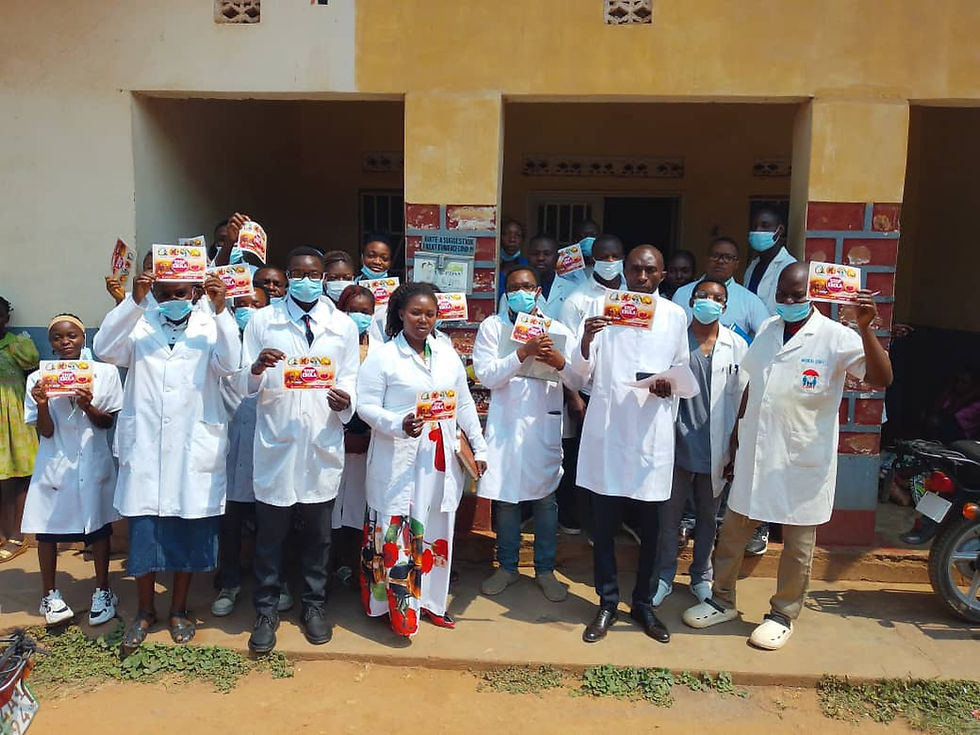
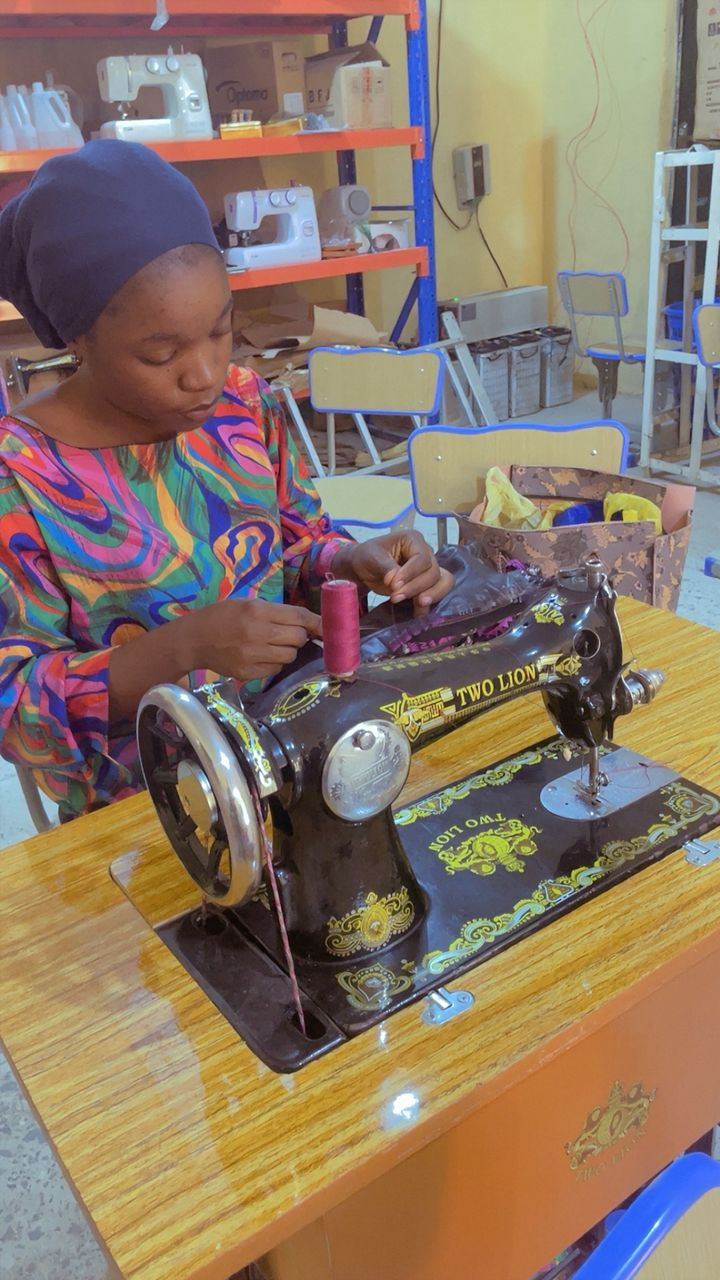
It was a privilege to document this impactful initiative and witness firsthand the honest conversations, renewed hope, and practical lessons shared during the workshop. My appreciation goes to the Triumph Over Trauma and Stigma Initiative (TOTSI), Harper Hill Global, the facilitators, and every participant for making this possible. I hope this story inspires more individuals and organizations to invest in the emotional well-being and empowerment of young people.
Great work, I am proud to be a part of this initiative. More grace to Harper Hill Global